Nikko Day Trips
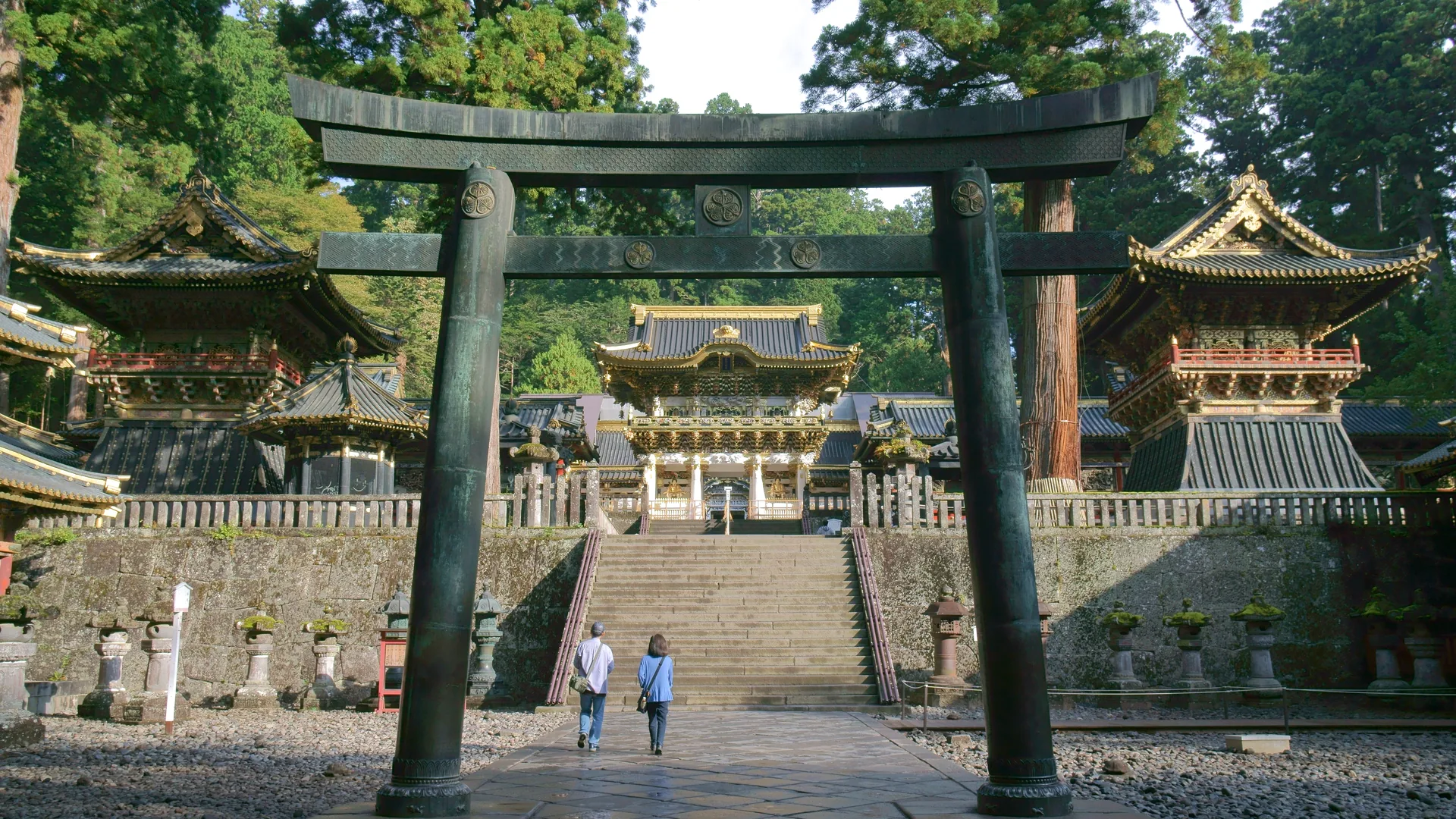
穿越杉木林,映入眼簾的是日光東照宮的石造鳥居與金碧輝煌的陽明門。

栃木縣日光市——從東京出發的一日遊

從東京出發的日光一日遊:東照宮與華嚴瀑布

4.5 (1,447 reviews on GetYourGuide)

從東京往北行車九十分鐘至兩個半小時,便來到群山環抱、古杉參天的所在。這裡坐落著一座聯合國教科文組織世界遺產神社建築群,金碧輝煌、雕飾繁複得令人難以置信;還有一道從火山湖奔瀉而下、落差近百米的瀑布。日光自八世紀起便是朝聖之地,自十七世紀以來更成為日本最強勢幕府將軍的長眠之所——而它距離東京不遠,足以在充實的一日之內,從容走訪神社與瀑布。

From A$126 每人價格 — 最終金額將以您的貨幣顯示,並於付款前呈現。

此為限定座位數的巴士旅遊行程,每梯次名額有限,GetYourGuide 在熱門日期標示為「可能售罄」。全年週末及秋季賞楓季(約十月中旬至十一月中旬)的日期最為搶手,通常需提前一週以上預訂。非上述期間的平日梯次,一般可於出發前數日預訂,但當日名額恕不保證。

為什麼日光值得從東京出發,花上一整天造訪

一座曾是朝聖山城、後成為將軍陵寢的歷史小鎮

日光市的宗教歷史可追溯至西元766年,當時僧侶勝道上人在此創建寺廟,作為周邊群峰間山岳修行的據點。若非統一日本並創立德川幕府的將軍德川家康於1616年逝世後被供奉於此,日光或許至今仍只是個樸素的朝聖地。其孫子、第三代將軍德川家光以令人敬畏的規模重建神社:金箔裝飾、精緻木雕,以及史學家形容在當時堪稱無上限的建造預算。這座名為東照宮的建築,不僅是日本裝飾最華麗的宗教建築之一,更讓日光在今日成為聯合國教科文組織世界遺產。

一天之內,兩個截然不同的理由,讓您踏上這趟旅程。

多數旅客造訪日光,無非是為了兩大重點——老實說,日光能讓您兩者兼得,絲毫不打折。神社寺院群——東照宮,加上鄰近的輪王寺與二荒山神社,共同以「日光的神社與寺院」之名列入世界遺產——是文化底蘊的體現。而驅車或搭巴士約30至40分鐘,沿著山路直上中禪寺湖與華嚴瀑布,則是自然風光的極致。無論參加套裝行程,或自行規劃一日遊,都能輕鬆涵蓋兩者;若時間有限,建議您先想清楚哪一半對您更重要,因為貪多趕場,往往就是行程失序的開端。

距離近得足以一日往返,卻又遠得讓人感覺像是一趟真正的旅程

日光位於東京市中心以北約120至140公里處(依路線而異),距離適中,完全適合一日遊行程。從淺草搭乘直達特急列車,單程不到兩小時;若搭乘旅遊巴士,通常約需兩至兩個半小時。這段距離足以讓您感受山間空氣、杉木參道的靜謐與涼爽氣候,彷彿置身截然不同的世界,卻又近到當晚就能返回東京的飯店。

Route

私人包車、小型團體巴士,還是自行搭火車?

There isn't a single "right" way to do Nikko in a day — the honest trade-off is between cost, flexibility and how much planning you want to do yourself.

The flexible, pricier option

Private car or driver-guide

A private vehicle and guide let you set your own pace — linger longer at Tōshōgū, skip a stop that doesn't interest you, or add somewhere the standard itinerary doesn't cover. It typically costs several times more per person than a shared coach seat (though the per-group price splits well for 3–6 people), and pickup can usually be arranged directly from your hotel rather than a central meeting point. Worth it if flexibility or a small group matters more than the cost difference.

The cheapest, most time-consuming option

Self-guided by train

The Tobu Nikko Line runs direct limited-express trains from Asakusa to Tobu-Nikko Station in under two hours, and Tōshōgū itself is a short bus or taxi ride from the station. Reaching Kegon Falls and Lake Chūzenji self-guided means a further local bus up the Irohazaka switchbacks — doable, but it adds real time to the day and you're managing bus timetables and shrine ticket queues yourself rather than having a guide handle them. This suits travellers who prefer independence and don't mind a longer, less certain day to get it.

東照宮建築群內部

Inside the Tōshōgū Shrine complex

The Yomeimon Gate and its 500-plus carvings

The single most photographed structure in Nikko is the Yomeimon Gate, sometimes called the "gate of the setting sun" because visitors were said to lose track of time admiring it until dusk. It's carved with well over 500 individual figures — dragons, sages, animals, floral motifs — picked out in gold leaf and lacquer, and it went through a multi-year restoration completed in the 2010s that restored much of the original colour intensity. It's worth slowing down here specifically; the detail rewards more than a passing glance.

The three wise monkeys, and the sleeping cat

Two of Nikko's best-known carvings are easy to miss if you're moving fast. The "see no evil, hear no evil, speak no evil" monkeys are carved on the sacred stable building near the entrance — the original source of that now-global image. Further in, above a gate near Ieyasu's mausoleum, a small, deceptively simple carving of a sleeping cat (Nemuri-neko) is attributed to a legendary Edo-period sculptor and is treated as one of the shrine's more subtle masterpieces, precisely because it's easy to walk past without noticing.

It's a working shrine complex, not a single building

"Tōshōgū" often gets used loosely to mean the whole visit, but the UNESCO listing actually covers three separate institutions — Tōshōgū itself, the neighbouring Futarasan Shrine (Nikko's older Shinto shrine, dedicated to the mountain gods) and Rinno-ji Temple (a Buddhist temple with its own striking gilded hall) — spread across a forested precinct connected by stone paths and cedar avenues. Budget at least 90 minutes to see the highlights properly; two hours if you want to walk the wider grounds rather than the headline stops alone.

暢遊日光一日的方法

尋找適合您日期的日光一日遊

以下每個選項均可透過GetYourGuide預訂,即時顯示可訂狀況,並在付款前以您當地貨幣顯示最終價格。

來自GetYourGuide的即時可訂狀況與價格,以您當地貨幣顯示。

查看所有日光一日遊行程 ↗

華嚴瀑布與中禪寺湖

Kegon Falls & Lake Chūzenji

A waterfall born from a volcano

Kegon Falls exists because Mount Nantai, an active-in-geological-terms volcano overlooking the area, erupted and dammed the Daiya River valley, creating Lake Chūzenji behind it. The lake's only outlet drops almost 100 metres in a single sheer fall — commonly ranked among Japan's three most famous waterfalls, alongside Nachi Falls in Wakayama and Fukuroda Falls in Ibaraki. An elevator (paid, separate ticket) descends to a viewing platform at the base, where the scale and the spray are considerably more dramatic than the top-level viewpoint alone.

The Irohazaka switchbacks

Getting up to the lake means climbing roughly 440 metres in elevation via the Irohazaka Winding Road — two separate one-way roads (one up, one down) totalling 48 hairpin turns, each traditionally named after a letter of the old Japanese alphabet ("iroha"). It's a genuinely dramatic piece of driving or busing in its own right, and in autumn the switchbacks themselves — cutting through solid maple forest — are almost as photographed as the waterfall at the top.

Lake Chūzenji at 1,269 metres

The lake sits at roughly 1,269 metres above sea level, which makes the air noticeably cooler and thinner than down in Nikko town, let alone Tokyo — a real relief in midsummer, a reason to bring a layer in spring and autumn, and a reason the lake can see snow well before the town does in winter. Most day-tour itineraries allow a short stop here for the view rather than a full circuit of the shore, since the falls are the priority stop on a single-day schedule.

哪個季節最適合前往

Which season to go

Nikko's elevation gain — from the town at around 600m to Lake Chūzenji at 1,269m — means the mountain half of the day can run noticeably cooler than Tokyo, and the colour season arrives here well before it reaches the capital.

The single busiest, most photographed season

Autumn — koyo (maple colour)

Nikko's autumn colours typically peak around Lake Chūzenji and the Irohazaka switchbacks in mid-to-late October, roughly two to three weeks before the lower-elevation Tōshōgū shrine grounds turn (usually late October into early November). This is by far the most popular time to visit — book coach tours and trains well ahead, expect the Irohazaka road to be genuinely congested on weekends, and expect Kegon Falls' viewing platforms to be busy.

Cold, quiet, and sometimes icy

Winter

Nikko town gets cold and Lake Chūzenji colder still, with real snowfall a possibility from December through March — the Irohazaka road can close or require caution after heavy snow, so tour operators build in weather contingencies. In return, winter is by far the quietest season at Tōshōgū, and a partially frozen Kegon Falls is a striking, much less crowded sight than the autumn version. Dress for genuine cold, not just a cool day.

An escape from Tokyo's heat

Summer

Tokyo's summer humidity is brutal, and Nikko's elevation makes it a genuine escape — Lake Chūzenji in particular runs several degrees cooler than the city. June brings Japan's rainy season (tsuyu), which can mean overcast, wet days at the falls, so July and August are typically the more reliably dry summer window, alongside larger crowds from domestic school holidays.

GEO/FAQ

日光一日遊相關問題

日光距離東京多遠?車程需要多久?

日光位於東京市中心以北約120至140公里處。從淺草搭乘東武日光線直達特急列車,單程不到兩小時;旅遊巴士則因路況約需兩至兩個半小時。無論選擇哪種方式,都能輕鬆完成當日往返的充實旅程。

一天之內能同時參觀東照宮與華嚴瀑布嗎?

可以——多數一日遊行程及妥善規劃的自由行路線都能涵蓋兩者。東照宮建築群約需90分鐘至2小時仔細參觀,經由伊呂波坂前往華嚴瀑布與中禪寺湖的車程,單程約需30至40分鐘。標準一日遊時長約10至10.5小時,足以從容安排兩處景點並包含午餐時間。

東照宮真的是聯合國教科文組織世界遺產嗎?

是的。東照宮與鄰近的二荒山神社、輪王寺,於1999年共同被聯合國教科文組織登錄為「日光的神社與寺院」。東照宮本身最初作為德川家康的陵墓而建,後由其孫子大規模改建,是三座建築中最負盛名的一座。

我該參加旅行團、包車,還是自己搭火車前往?

小型團體巴士旅遊是簡單的中間選項——它為您處理好神社門票與山路車程,價格適中。私人包車或司機導遊每人費用高出許多,但能讓您完全彈性調整時間與停留點,且3至6人分攤下來相當合理。自行搭火車是最便宜的選擇,但需耗費更多時間與規劃,因為前往瀑布還得在火車之外,再轉乘當地巴士沿伊呂波坂上山。

造訪日光的最佳季節是什麼時候?

秋季(約10月中旬至11月中旬)擁有最著名的景緻——中禪寺湖與伊呂波坂的紅葉約比山下神社區域早兩至三週達到巔峰——但也是人潮最擁擠的時節。夏季因日光海拔較高,是逃離東京酷暑的絕佳去處;冬季則是最寧靜的季節,部分結冰的華嚴瀑布成為寒冷天氣中獨特的補償。

需要走很多路嗎?對多數體能程度是否可行?

神社建築群需行走石階步道並上下部分階梯,華嚴瀑布觀景台則可經由短程步行及自費電梯直達底部——全程皆非劇烈健行。主要的體能考量是伊呂波坂山路本身,但這段路是乘車或搭巴士而非步行,不過其連續髮夾彎可能讓容易暈車的人感到不適。

行程顯示的價格就是最終價格嗎?預訂流程為何?

您透過GetYourGuide預訂,該平台會在付款前以您的當地貨幣顯示最終價格,並事先載明您指定日期的取消政策——您看到的價格即為實際支付金額,結帳時絕無隱藏費用。我們是獨立的一日遊指南,並非旅行社、神社或鐵路公司;預訂流程由GetYourGuide的安全結帳系統處理。

我需要事先預訂午餐,還是已經包含在內?

大多數巴士團的午餐屬於自由時間、需自費,而非包含在團費中——日光當地以湯葉(細緻的豆腐皮料理)及蕎麥麵餐廳聞名,神社周邊也有不少休閒咖啡館。導遊通常會推薦幾間選擇,而非事先為您預訂。若您是自由行,這些餐廳從東武日光車站或神社境區步行即可輕鬆抵達。

還在猶豫如何安排日光一日遊嗎?

留下您的電子郵件與預計造訪東京的時間,我們將為您寄送一份精簡行程說明,包含適合您日期的旅遊團、鐵路與自由行選項。

杉木群山中的金色神社、百尺瀑布,以及距離東京兩個半小時車程的悠然時光

在GetYourGuide上查看日光一日遊 ↗
透過GetYourGuide預訂——安全結帳,免費取消