なぜ日光が東京からの日帰りに値するのか
山岳巡礼の町が将軍の廟所となった場所
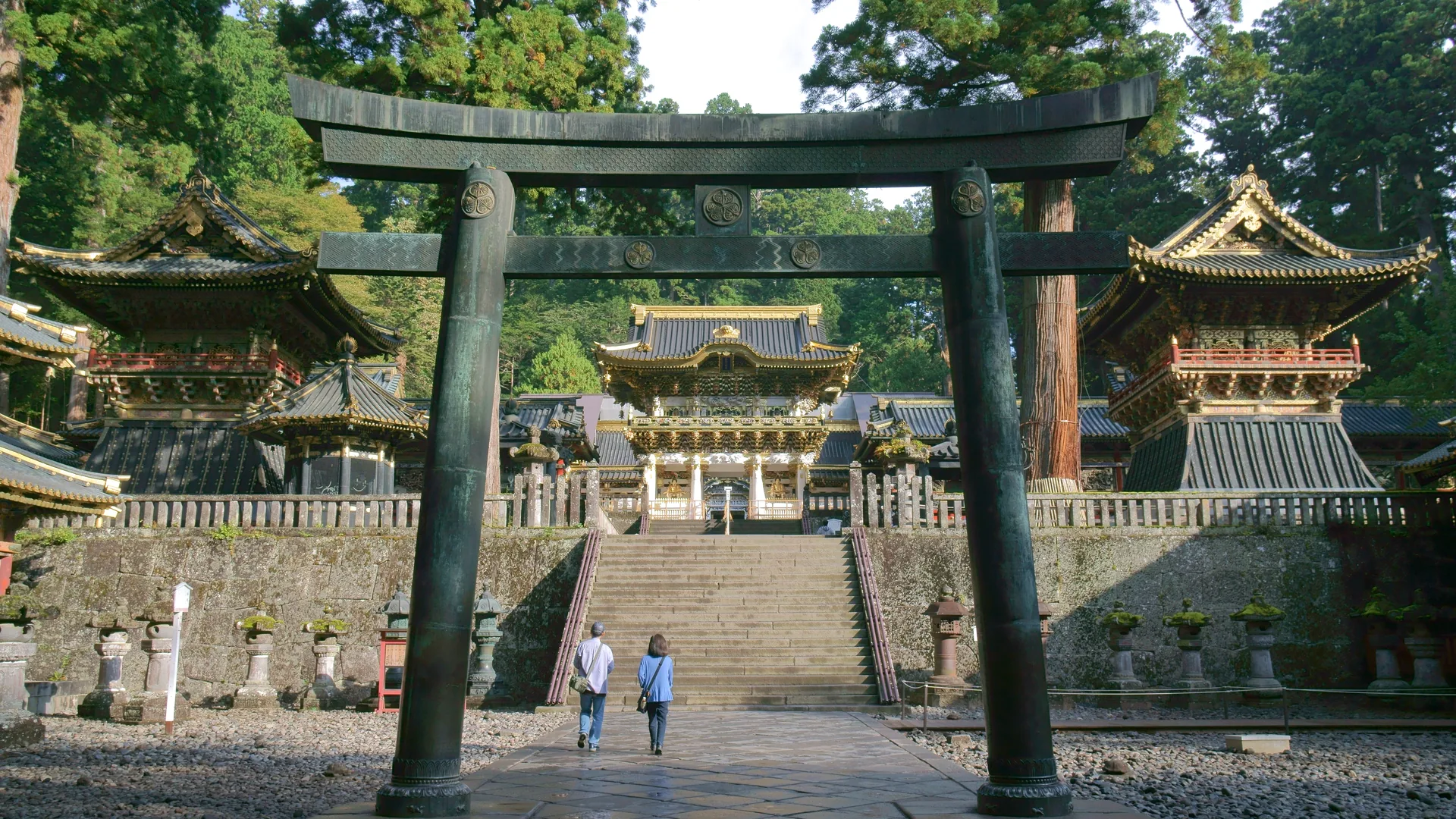
日光の宗教史は766年、僧・勝道上人が周辺の山々での山岳修行の拠点として寺院を開いたことに遡ります。もし1616年に没した徳川家康——日本を統一し徳川幕府を開いた将軍——がここに祀られていなければ、日光はおそらく質素な巡礼地に留まっていたでしょう。その孫である三代将軍・家光は、人を畏怖させる規模で社殿を再建しました。金箔、精緻な木彫、そして当時としては事実上無制限だったと歴史家が評する建築予算。その結果生まれた東照宮は、日本で最も華麗な装飾を施された宗教建築の一つであり、日光が今日ユネスコ世界遺産である理由です。
一日で訪れる価値のある、まったく異なる二つの魅力
多くの訪問者はどちらか一方を目当てに訪れますが、正直なところ、日光は両方をあまり妥協なく楽しませてくれます。神社建築群——東照宮、そして隣接する二荒山神社と輪王寺を合わせて「日光の社寺」として世界遺産登録されています——が文化の核です。そこから車かバスでさらに約30~40分の山道を上った先にある中禅寺湖と華厳の滝が、景観の核です。ツアーに参加するか、しっかり計画を立てて自力で回れば、両方をカバーできます。時間が限られているなら、どちらの核をより重視するかを事前に決めておくのが賢明です。両方を急いで回ろうとすると、一日が台無しになりかねませんから。
日帰りに十分近く、それでいて本格的な旅の気分を味わえる距離
日光はルートにもよりますが、東京中心部から北へ約120~140kmに位置し、日帰り旅行に最適な距離です。浅草から直通特急列車で片道2時間未満、観光バスでも通常2~2時間半ほどで到着します。山の空気、杉並木の参道、そして涼やかな気候は、まるで別世界に来たかのような新鮮さを感じさせつつ、夜には東京のホテルに戻れる絶妙な距離感です。
Route
プライベートカー、少人数制バスツアー、それとも電車でご自身で?
日光を1日で巡るのに「これが正解」という方法はありません。正直なところ、費用と自由度、そしてどこまで自分で計画したいかのトレードオフです。
手軽でバランスの良い選択肢
少人数バスツアー
乗合バスは東京を早朝に出発し、東照宮の拝観からいろは坂を上って華厳の滝・中禅寺湖まで連れて行ってくれて、夕方には送り届けてくれます。だいたい10〜10.5時間の行程です。時間の融通は利きにくく昼食も基本的に各自ですが、電車の乗り換えを考える必要もなく、駐車場を探す手間もなく、ガイドが道中で歴史を解説してくれます。決まった日程に抵抗がなければ、初めて日光を訪れる人の多くが満足する選択肢です。
自由度は高いが、その分割高な選択肢
貸切車またはドライバーガイド
専用車とガイドがあれば、自分のペースで動けます。東照宮でゆっくり過ごしたり、興味のない立ち寄り先を飛ばしたり、定番ルートにない場所を追加したりできます。1人あたりの料金は乗合バスの座席より数倍高くなるのが一般的です(3〜6人のグループなら割り勘でうまく収まりますが)。集合場所ではなくホテルまで直接迎えに来てもらえることも多いです。費用差より自由度や少人数であることを重視するなら検討する価値があります。
最も安いが、最も時間のかかる選択肢
電車での個人旅行
東武日光線の特急なら浅草から東武日光駅まで2時間弱で直通します。東照宮自体は駅からバスかタクシーですぐです。華厳の滝や中禅寺湖まで自分で行くには、さらにいろは坂を上る路線バスに乗る必要があります。行けないことはありませんが、その分1日の時間が余計にかかり、バスの時刻表や拝観券の行列もガイドに任せず自分でこなすことになります。自由な旅を好み、多少長くて予定が読みにくい1日になっても構わない人向けです。
東照宮境内
東照宮境内を歩く
陽明門と500以上の彫刻
日光で最も写真に撮られる建造物といえば陽明門です。見入るうちに日が暮れるまで時を忘れるとして「日暮の門」とも呼ばれてきました。龍や聖人、動物、花模様など500以上もの彫刻が金箔と漆で彩られており、2010年代に完了した数年がかりの修復で、本来の鮮やかな色彩の多くがよみがえりました。ここだけは特に足を止める価値があります。ちらっと見るだけでは、この細工の魅力は伝わりません。
三猿と眠り猫
日光で特によく知られた2つの彫刻は、急いで歩いていると見逃しがちです。「見ざる・聞かざる・言わざる」の猿は入口近くの神厩舎に彫られており、今や世界中に広まったあのイメージの元になったものです。さらに奥、家康公の廟へと続く門の上には、眠り猫と呼ばれる小さく一見何気ない彫刻があります。伝説的な江戸時代の彫刻師の作とされ、気づかずに通り過ぎてしまいやすいからこそ、東照宮の中でも特に奥深い傑作の一つとされています。
単独の建物ではなく、今も現役の神社仏閣群
「東照宮」という言葉は訪問全体を指す形で使われがちですが、実際にユネスコの世界遺産に登録されているのは3つの独立した施設です。東照宮そのもの、隣接する日光二荒山神社(山の神々を祀る、日光でより古い神社)、そして輪王寺(独自の見事な金色の堂を持つ仏教寺院)で、これらは石畳の参道と杉並木でつながる森の中の一帯に広がっています。見どころをしっかり見るなら最低90分、目玉スポットだけでなく境内全体を歩きたいなら2時間は見ておきましょう。
一日之内游览日光的方式
查找适合您日期的日光一日游
以下のすべてのプランはGetYourGuideを通じて予約可能です。リアルタイムの空き状況と、お支払い前にご自身の通貨での最終価格が表示されます。
華厳の滝と中禅寺湖
華厳の滝と中禅寺湖
火山が生んだ滝
華厳の滝が存在するのは、この一帯を見下ろす男体山(地質学的にはまだ活火山とされる山)が噴火し、大谷川の谷をせき止めて中禅寺湖ができたためです。湖の唯一の出口が一気に約100メートル落ちるのがこの滝で、和歌山の那智の滝、茨城の袋田の滝と並んで日本三名瀑の一つに数えられます。滝壺付近の展望台までは有料の専用エレベーターで下りることができ、上から眺めるだけよりもスケールと水しぶきの迫力がはるかに強く感じられます。
いろは坂のつづら折り
湖まで上るには、いろは坂を通って標高差およそ440メートルを登ることになります。上りと下りが別々の一方通行になっており、合わせて48のヘアピンカーブがあります。それぞれのカーブには古い「いろは」の文字が一つずつ割り当てられています。ドライブやバス移動そのものがかなりダイナミックな体験で、秋には楓の森を切り開くようなこのつづら折り自体が、頂上の滝に負けないほど写真に撮られます。
標高1,269メートルの中禅寺湖
中禅寺湖は標高およそ1,269メートルに位置しており、日光の町中はもちろん東京と比べても空気は明らかにひんやりとして薄く感じられます。真夏には本当にほっとする涼しさで、春や秋には上着が一枚あると安心です。冬には町よりずっと早く雪が降ることもあります。日帰りツアーの多くは、湖畔を一周するのではなく、景色を楽しむための短い立ち寄りにとどめています。1日の日程では、滝を優先スポットとして扱っているためです。
おすすめの季節
行くならどの季節がいい?
日光は町(標高約600メートル)から中禅寺湖(標高1,269メートル)まで一気に標高が上がるため、山側での時間帯は東京よりも明らかに涼しく感じられます。紅葉の季節も、都内よりずっと早くこちらに訪れます。
最も混雑し、最も写真に撮られる季節
秋 — 紅葉
日光の紅葉は、中禅寺湖といろは坂周辺では10月中旬から下旬にかけて見頃を迎え、標高の低い東照宮境内が色づくのはそれより2〜3週間ほど遅い10月下旬から11月上旬が目安です。これが最も人気の高い時期で、バスツアーや電車は早めに予約しておくこと、週末はいろは坂が本当に混み合うこと、華厳の滝の展望台も混雑することを覚悟しておきましょう。
寒く静かで、時に凍える季節
Winter
日光の町は寒く、中禅寺湖はさらに冷え込みます。12月から3月にかけては本格的な積雪もあり得ます。大雪の後はいろは坂が通行止めになったり、通行に注意が必要になったりするため、ツアー会社も天候による変更を織り込んで運行しています。その代わり、冬は東照宮が最も静かな季節で、部分的に凍った華厳の滝は、秋とはまた違った迫力があり、人出もずっと少なくなります。肌寒い程度ではなく、本格的な防寒の服装で臨んでください。
東京の暑さから逃れる季節
Summer
東京の夏の蒸し暑さは相当なものですが、標高のある日光は本当の意味での避暑地になります。特に中禅寺湖は都心より数度は涼しく感じられます。6月には梅雨に入るため滝周辺も曇りや雨の日になりがちで、7月・8月のほうが晴れる日が安定して多い夏の時期です。ただしこの時期は国内の夏休みとも重なり、人出も多くなります。
GEO/FAQ
日光一日游相关问题
東京から日光までの距離と所要時間は?
日光は東京中心部から北へ約120~140km。浅草から東武日光線の直通特急で片道2時間未満、観光バスは道路状況により2~2時間半ほど。いずれにせよ、充実した一日で往復可能な本格的な日帰り旅です。
東照宮と華厳の滝は、1日で両方見られますか?
はい、ほとんどの日帰りツアーや、しっかり計画した個人旅行で両方訪れることが可能です。東照宮の見学には約90分から2時間ほどかかり、いろは坂を経由して華厳の滝と中禅寺湖へ向かうドライブは、片道30~40分ほど追加で必要です。標準的なツアー時間である10~10.5時間の日程であれば、両方の見学と昼食休憩を無理なく組み込めます。
東照宮は、実際にユネスコ世界遺産に登録されているのですか?
はい。東照宮は、隣接する二荒山神社や輪王寺とともに、1999年にユネスコ世界遺産「日光の社寺」として登録されました。東照宮自体は、徳川家康の廟所として建立され、後にその孫によって豪華に再建されたもので、3つの社寺の中で最も有名です。
ツアーを予約すべきか、貸切車を手配すべきか、それとも自分で電車で行くべきですか?
少人数制のバスツアーは、手頃な価格で神社の入場や山道の運転をすべて代行してくれる、無難な選択肢です。貸切車やドライバーガイド付きの車は一人当たりの費用がかなり高くなりますが、時間や立ち寄り場所を完全に自由に調整でき、3~6人のグループであれば割り勘も現実的です。電車での個人旅行は最も安価ですが、滝へ行くには電車に加えて、いろは坂を上る路線バスに乗り換える必要があり、時間と計画に手間がかかります。
日光を訪れるのに最適な季節はいつですか?
秋(おおよそ10月中旬から11月中旬)は最も有名な景観が楽しめます。中禅寺湖やいろは坂では、麓の神社周辺より約2~3週間早く紅葉のピークを迎えますが、同時に最も混雑する時期でもあります。夏は日光の標高のおかげで東京の暑さから逃れられる絶好の場所となり、冬は最も静かな季節で、部分的に凍結した華厳の滝という独特の風情を寒さと引き換えに楽しめます。
どのくらい歩くことになりますか?また、ほとんどの体力レベルの方にとって無理のない範囲ですか?
神社の境内は石畳の道や建物間の階段を歩く程度で、華厳の滝の展望台へは短い徒歩と、有料のエレベーターで滝壺まで降りることも可能です。いずれも本格的なハイキングではありません。主な身体的負担は、歩くのではなく車やバスで通過するいろは坂の山道そのもので、そのヘアピンカーブは車酔いしやすい方には不快に感じられるかもしれません。
ツアー料金は表示価格が最終的なものですか?また、予約の仕組みはどうなっていますか?
予約はGetYourGuideを通じて行います。支払い前にご自身の通貨で最終価格が表示され、特定の日付に対するキャンセルポリシーも事前に明示されます。表示された価格がそのまま支払額となり、チェックアウト時に隠れた手数料が追加されることはありません。私たちは独立した日帰り旅行ガイドであり、ツアー運営会社、神社、鉄道会社ではありません。予約自体はGetYourGuideの安全なチェックアウトシステムで処理されます。
昼食の予約は必要ですか、それとも料金に含まれていますか?
多くのバスツアーでは、昼食は自由時間での各自負担となり、含まれていません。日光は地元で有名な湯葉(繊細な豆腐皮料理)や、神社周辺のそば屋、気軽なカフェが知られています。ツアーガイドは通常、事前に予約するのではなく、いくつかの選択肢を案内します。個人で巡る場合も、同じレストランが東武日光駅や神社境内から徒歩圏内です。