Perché Nikko vale la gita da Tokyo
Una città di pellegrinaggio montana diventata il mausoleo di uno shōgun
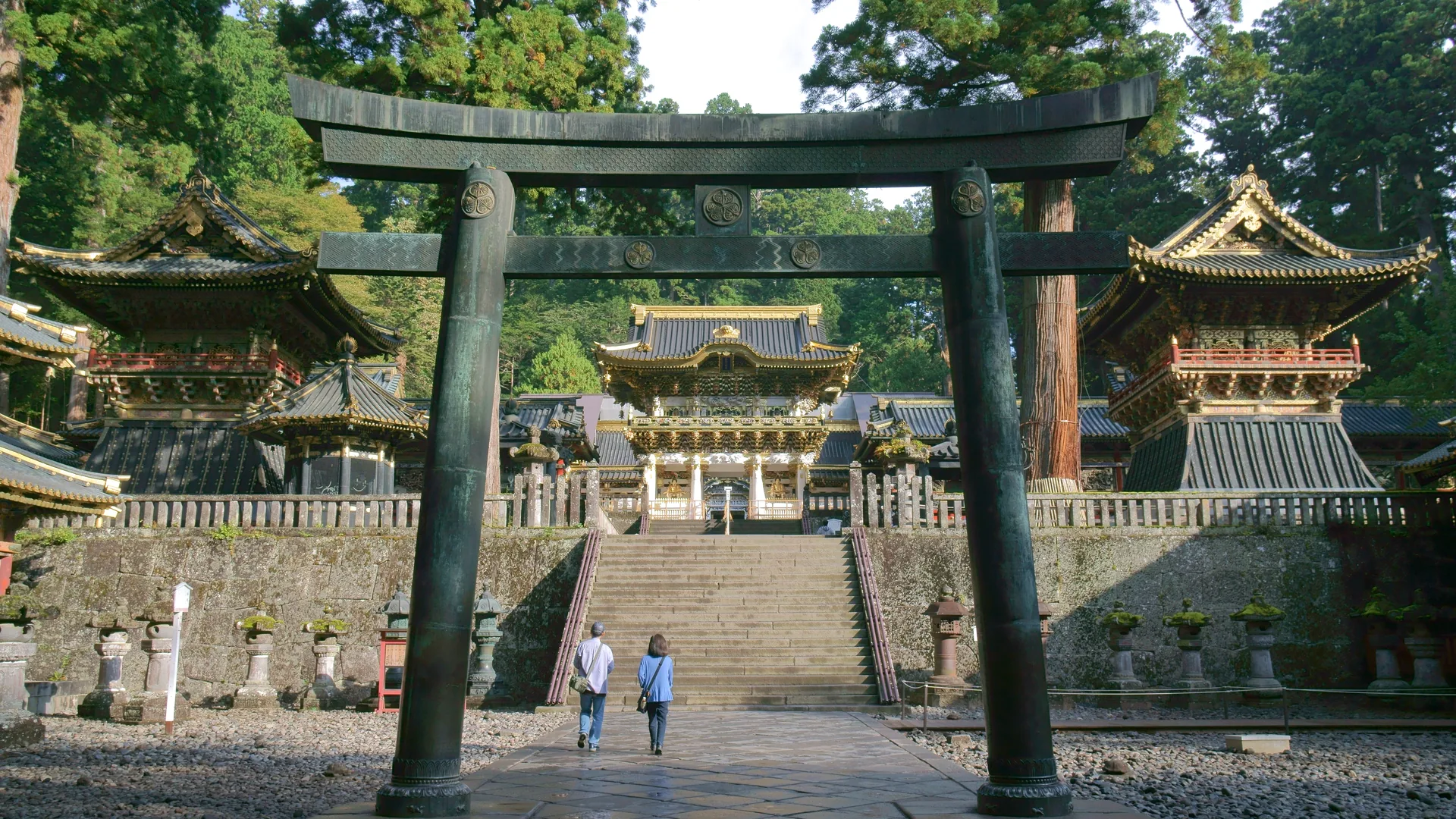
La storia religiosa di Nikko risale al 766, quando il monaco Shōdō Shōnin vi fondò un tempio come base per l'ascetismo montano sulle vette circostanti. Probabilmente Nikko sarebbe rimasta una modesta meta di pellegrinaggio se Tokugawa Ieyasu — il generale che unificò il Giappone e fondò lo shogunato Tokugawa — non fosse stato qui consacrato dopo la sua morte nel 1616. Suo nipote, il terzo shōgun Iemitsu, ricostruì il santuario su una scala destinata a stupire: foglia d'oro, intricate sculture in legno e un budget che gli storici descrivono come praticamente illimitato per l'epoca. Il risultato, il Tōshōgū, è uno degli edifici religiosi più riccamente decorati del Giappone e il motivo per cui Nikko è oggi patrimonio UNESCO.
Due ragioni molto diverse per fare il viaggio in un solo giorno
La maggior parte dei visitatori viene per uno di due motivi, e la risposta onesta è che Nikko offre entrambi senza troppi compromessi. Il complesso dei santuari — Tōshōgū, insieme al vicino Santuario Futarasan e al Tempio Rinno-ji, tutti inscritti come "Santuari e Templi di Nikko" — è la metà culturale. La strada di montagna che sale al Lago Chūzenji e alle Cascate Kegon, a circa 30–40 minuti di auto o autobus, è la metà paesaggistica. Un tour o una giornata autonoma ben organizzata copre entrambi; se hai poco tempo, vale la pena decidere in anticipo quale metà conta di più per te, perché cercare di fare tutto di fretta è il modo migliore per rovinare la giornata.
Abbastanza vicina per una gita, abbastanza lontana per sembrare una vera avventura
Nikko si trova a circa 120–140 km a nord del centro di Tokyo, a seconda del percorso, il che la rende perfettamente raggiungibile in giornata. Con il treno diretto limited-express da Asakusa si impiega meno di due ore a tratta, mentre un pullman turistico di solito impiega dalle due alle due ore e mezza. Abbastanza lontana per respirare aria di montagna, percorrere il viale alberato di cedri e godere di un clima più fresco che sembra un vero cambio di scenario, ma abbastanza vicina per tornare in albergo a Tokyo la sera stessa.
Route
Auto privata, pullman di gruppo ridotto o treno da soli?
Non esiste un unico modo "giusto" per visitare Nikko in un giorno: il vero compromesso è tra costo, flessibilità e quanto volete organizzare voi stessi.
L'opzione intermedia più semplice
Tour in pullman per piccoli gruppi
Un pullman condiviso parte da Tokyo di prima mattina, si occupa dell'ingresso al Tōshōgū e della salita lungo i tornanti dell'Irohazaka fino alle Cascate Kegon e al Lago Chūzenji, e vi riporta indietro in serata — tipicamente una giornata di 10-10,5 ore. Si perde un po' di flessibilità sugli orari e il pranzo è di solito libero, ma non ci sono cambi di treno da pianificare, nessun parcheggio da trovare, e una guida dal vivo racconta la storia lungo il percorso. È l'opzione con cui la maggior parte dei visitatori alla prima esperienza finisce per essere più soddisfatta, a patto di essere a proprio agio con un itinerario fisso.
L'opzione flessibile e più costosa
Auto privata o autista-guida
Un veicolo privato e una guida vi permettono di impostare il vostro ritmo — soffermarvi più a lungo al Tōshōgū, saltare una tappa che non vi interessa, o aggiungere una meta che l'itinerario standard non copre. Di solito costa diverse volte di più a persona rispetto a un posto in pullman condiviso (anche se il prezzo per gruppo si divide bene per 3-6 persone), e il ritiro può solitamente essere organizzato direttamente dal vostro hotel invece che da un punto d'incontro centrale. Vale la pena se la flessibilità o un piccolo gruppo contano più della differenza di costo.
L'opzione più economica e che richiede più tempo
Autonomo in treno
La linea Tobu Nikko offre treni express diretti da Asakusa alla stazione di Tobu-Nikko in meno di due ore, e il Tōshōgū stesso si raggiunge dalla stazione con un breve tragitto in autobus o taxi. Raggiungere le Cascate Kegon e il Lago Chūzenji in autonomia significa prendere un ulteriore autobus locale su per i tornanti dell'Irohazaka — fattibile, ma allunga notevolmente la giornata e bisogna gestire da soli gli orari degli autobus e le code ai biglietti del santuario invece di lasciare che se ne occupi una guida. Adatto a chi preferisce l'indipendenza e non si dispiace di una giornata più lunga e meno prevedibile pur di averla.
All'interno del complesso del Santuario Tōshōgū
Dentro il complesso del Santuario Tōshōgū
Il Cancello Yomeimon e le sue oltre 500 sculture
La struttura più fotografata di Nikko è il Cancello Yomeimon, chiamato a volte "il cancello del sole al tramonto" perché si diceva che i visitatori perdessero la cognizione del tempo ad ammirarlo fino al crepuscolo. È scolpito con oltre 500 figure singole — draghi, saggi, animali, motivi floreali — decorate in foglia d'oro e lacca, ed è stato sottoposto a un restauro pluriennale completato negli anni 2010 che ha ripristinato gran parte dell'intensità cromatica originale. Vale la pena rallentare proprio qui: il dettaglio merita più di uno sguardo fugace.
Le tre scimmie sagge, e il gatto addormentato
Due delle sculture più conosciute di Nikko sono facili da perdere se si cammina in fretta. Le scimmie "non vedo il male, non sento il male, non parlo del male" sono scolpite sulla sacra scuderia vicino all'ingresso — la fonte originale di quell'immagine ormai diffusa in tutto il mondo. Più avanti, sopra un cancello vicino al mausoleo di Ieyasu, una piccola scultura, ingannevolmente semplice, di un gatto addormentato (Nemuri-neko) è attribuita a un leggendario scultore del periodo Edo ed è considerata uno dei capolavori più sottili del santuario, proprio perché è facile passarci accanto senza notarla.
È un complesso di santuari in attività, non un singolo edificio
"Tōshōgū" viene spesso usato in modo generico per indicare l'intera visita, ma l'iscrizione UNESCO copre in realtà tre istituzioni distinte — il Tōshōgū stesso, il vicino Santuario Futarasan (il più antico santuario shintoista di Nikko, dedicato agli dei della montagna) e il Tempio Rinno-ji (un tempio buddhista con una propria straordinaria sala dorata) — distribuiti su un'area boschiva collegata da sentieri in pietra e viali di cedri. Prevedete almeno 90 minuti per vedere bene i punti salienti; due ore se volete percorrere l'area più ampia e non solo le tappe principali.
Modi per vedere Nikko in un giorno
Trova un tour giornaliero a Nikko per le tue date
Ogni opzione qui sotto è prenotabile tramite GetYourGuide, con disponibilità in tempo reale e il prezzo finale mostrato nella tua valuta prima di pagare.
Cascate Kegon e Lago Chūzenji
Cascate Kegon e Lago Chūzenji
Una cascata nata da un vulcano
Le Cascate Kegon esistono perché il Monte Nantai, un vulcano attivo in termini geologici che sovrasta l'area, eruttò e sbarrò la valle del fiume Daiya, creando il Lago Chūzenji a monte. L'unico sbocco del lago precipita per quasi 100 metri in un'unica cascata a picco — comunemente annoverata tra le tre cascate più famose del Giappone, insieme alle Cascate Nachi nella prefettura di Wakayama e alle Cascate Fukuroda nella prefettura di Ibaraki. Un ascensore (a pagamento, biglietto separato) scende fino a una piattaforma panoramica alla base, dove la scala e gli spruzzi sono decisamente più spettacolari rispetto al solo punto panoramico superiore.
I tornanti dell'Irohazaka
Salire fino al lago significa guadagnare circa 440 metri di dislivello lungo la Strada Tortuosa dell'Irohazaka — due strade separate a senso unico (una in salita, una in discesa) per un totale di 48 tornanti, ciascuno tradizionalmente chiamato con una lettera del vecchio alfabeto giapponese ("iroha"). È di per sé un tragitto in auto o in autobus genuinamente spettacolare, e in autunno i tornanti stessi — che attraversano una fitta foresta di aceri — sono fotografati quasi quanto la cascata in cima.
Il Lago Chūzenji a 1.269 metri
Il lago si trova a circa 1.269 metri sul livello del mare, il che rende l'aria notevolmente più fresca e rarefatta rispetto a Nikko città, per non parlare di Tokyo — un vero sollievo in piena estate, un motivo per portare uno strato in più in primavera e autunno, e un motivo per cui il lago può vedere la neve ben prima della città in inverno. La maggior parte degli itinerari di un giorno prevede una breve sosta qui per godersi la vista, senza fare il giro completo della riva, poiché le cascate restano la tappa prioritaria in una giornata.
Quale stagione scegliere
Quale stagione scegliere
Il dislivello di Nikko — dalla città, a circa 600 m, fino al Lago Chūzenji a 1.269 m — fa sì che la metà montana della giornata possa risultare notevolmente più fresca rispetto a Tokyo, e la stagione dei colori arriva qui ben prima che nella capitale.
La stagione di gran lunga più affollata e fotografata
Autunno — koyo (i colori degli aceri)
I colori autunnali di Nikko raggiungono in genere il picco intorno al Lago Chūzenji e ai tornanti dell'Irohazaka tra la metà e la fine di ottobre, circa due o tre settimane prima che i terreni del santuario Tōshōgū, a quota più bassa, cambino colore (di solito da fine ottobre a inizio novembre). È di gran lunga il periodo più popolare per la visita: prenotate pullman e treni con largo anticipo, aspettatevi che la strada dell'Irohazaka sia davvero congestionata nei fine settimana, e che le piattaforme panoramiche delle Cascate Kegon siano affollate.
Freddo, silenzioso e a volte ghiacciato
Winter
La città di Nikko diventa fredda e il Lago Chūzenji ancora di più, con nevicate reali possibili da dicembre a marzo — la strada dell'Irohazaka può chiudere o richiedere cautela dopo forti nevicate, per cui gli operatori turistici prevedono piani di riserva per il maltempo. In cambio, l'inverno è di gran lunga la stagione più tranquilla al Tōshōgū, e le Cascate Kegon parzialmente ghiacciate offrono uno spettacolo suggestivo e molto meno affollato rispetto alla versione autunnale. Vestitevi per un freddo vero, non solo per una giornata fresca.
Una fuga dal caldo di Tokyo
Summer
L'umidità estiva di Tokyo è opprimente, e l'altitudine di Nikko la rende una vera e propria via di fuga — il Lago Chūzenji in particolare è di diversi gradi più fresco rispetto alla città. Giugno porta la stagione delle piogge giapponese (tsuyu), che può significare giornate nuvolose e piovose alle cascate, quindi luglio e agosto sono in genere la finestra estiva più affidabilmente asciutta, insieme a folle più numerose dovute alle vacanze scolastiche nazionali.
GEO/FAQ
Domande sulla gita in giornata a Nikko
Quanto dista Nikko da Tokyo e quanto dura il viaggio?
Nikko si trova a circa 120–140 km a nord del centro di Tokyo. Con il treno diretto limited-express (linea Tobu Nikko da Asakusa) si impiega meno di due ore a tratta; un pullman turistico di solito impiega dalle due alle due ore e mezza, a seconda del traffico in salita. In ogni caso, si tratta di una gita di un giorno completa, ma assolutamente fattibile.
Posso visitare il Santuario Tōshōgū e le Cascate Kegon in un solo giorno?
Sì — la maggior parte dei tour giornalieri e un itinerario autonomo ben pianificato includono entrambi. Il complesso del santuario richiede circa 90 minuti o due ore per essere visitato con calma, e la salita verso le Cascate Kegon e il Lago Chūzenji aggiunge altri 30–40 minuti per tratta attraverso le curve a tornante dell'Irohazaka. Una giornata di 10–10,5 ore, che è la durata standard dei tour, permette di godersi comodamente entrambe le tappe con una pausa pranzo.
Il Santuario Tōshōgū è davvero un sito Patrimonio dell'Umanità UNESCO?
Sì. Tōshōgū, insieme al vicino Santuario Futarasan e al Tempio Rinno-ji, è stato iscritto dall'UNESCO nel 1999 come "Santuari e Templi di Nikko". Lo stesso Tōshōgū, costruito come mausoleo di Tokugawa Ieyasu e successivamente ricostruito in scala sontuosa da suo nipote, è il più celebre dei tre.
Dovrei prenotare un tour, noleggiare un'auto privata o andare da solo in treno?
Un tour in pullman per piccoli gruppi è l'opzione intermedia più semplice — gestisce l'ingresso al santuario e la salita in montagna per voi, a un prezzo moderato. Un'auto privata o un autista-guida costa molto di più a persona, ma offre la massima flessibilità su orari e soste, e si divide bene in un gruppo di 3–6 persone. Andare in autonomia con il treno è l'opzione più economica, ma richiede più tempo e pianificazione, poiché per raggiungere la cascata serve un ulteriore autobus locale lungo le curve a tornante oltre al viaggio in treno.
Qual è la stagione migliore per visitare Nikko?
L'autunno (da metà ottobre a metà novembre circa) offre i panorami più celebri — i colori raggiungono il picco al Lago Chūzenji e lungo le curve dell'Irohazaka circa due o tre settimane prima di arrivare al santuario inferiore — ma è anche il periodo più affollato e congestionato. L'estate è una vera fuga dal caldo di Tokyo grazie all'altitudine di Nikko, mentre l'inverno è la stagione più tranquilla, con le Cascate Kegon parzialmente ghiacciate come suggestivo contraltare al freddo.
Quanto cammino è previsto, ed è gestibile per la maggior parte dei livelli di forma fisica?
Il complesso del santuario prevede percorsi su pietra e alcune scale tra gli edifici, mentre la piattaforma panoramica delle Cascate Kegon si raggiunge con una breve passeggiata più un ascensore a pagamento opzionale fino alla base — niente di simile a un'escursione faticosa. La principale considerazione fisica è la strada di montagna dell'Irohazaka, che si percorre in auto o in bus, non a piedi, anche se le sue curve a tornante possono risultare scomode per chi soffre di cinetosi.
Il prezzo del tour è quello finale, e come funziona la prenotazione?
Prenotate tramite GetYourGuide, che mostra il prezzo finale nella vostra valuta prima del pagamento e indica la politica di cancellazione per la data specifica in anticipo — il prezzo che vedete è quello che pagate, senza costi nascosti al checkout. Siamo una guida indipendente per escursioni giornaliere, non il tour operator, il santuario o una ferrovia; la prenotazione è gestita dal checkout sicuro di GetYourGuide.
Devo prenotare il pranzo o è incluso?
Nella maggior parte dei tour in pullman, il pranzo è libero e a carico del partecipante, non incluso — Nikko è rinomata per lo yuba (delicata cucina a base di pelle di tofu) oltre che per i ristoranti di soba e i caffè informali vicino all'area del santuario; le guide turistiche di solito segnalano alcune opzioni senza prenotarne una per voi. Se viaggiate in autonomia, gli stessi ristoranti sono facilmente raggiungibili a piedi dalla stazione di Tobu-Nikko o dal recinto del santuario.