למה ניקו שווה את היום מטוקיו
עיירת עלייה לרגל הררית שהפכה למאוזוליאום של שוגון
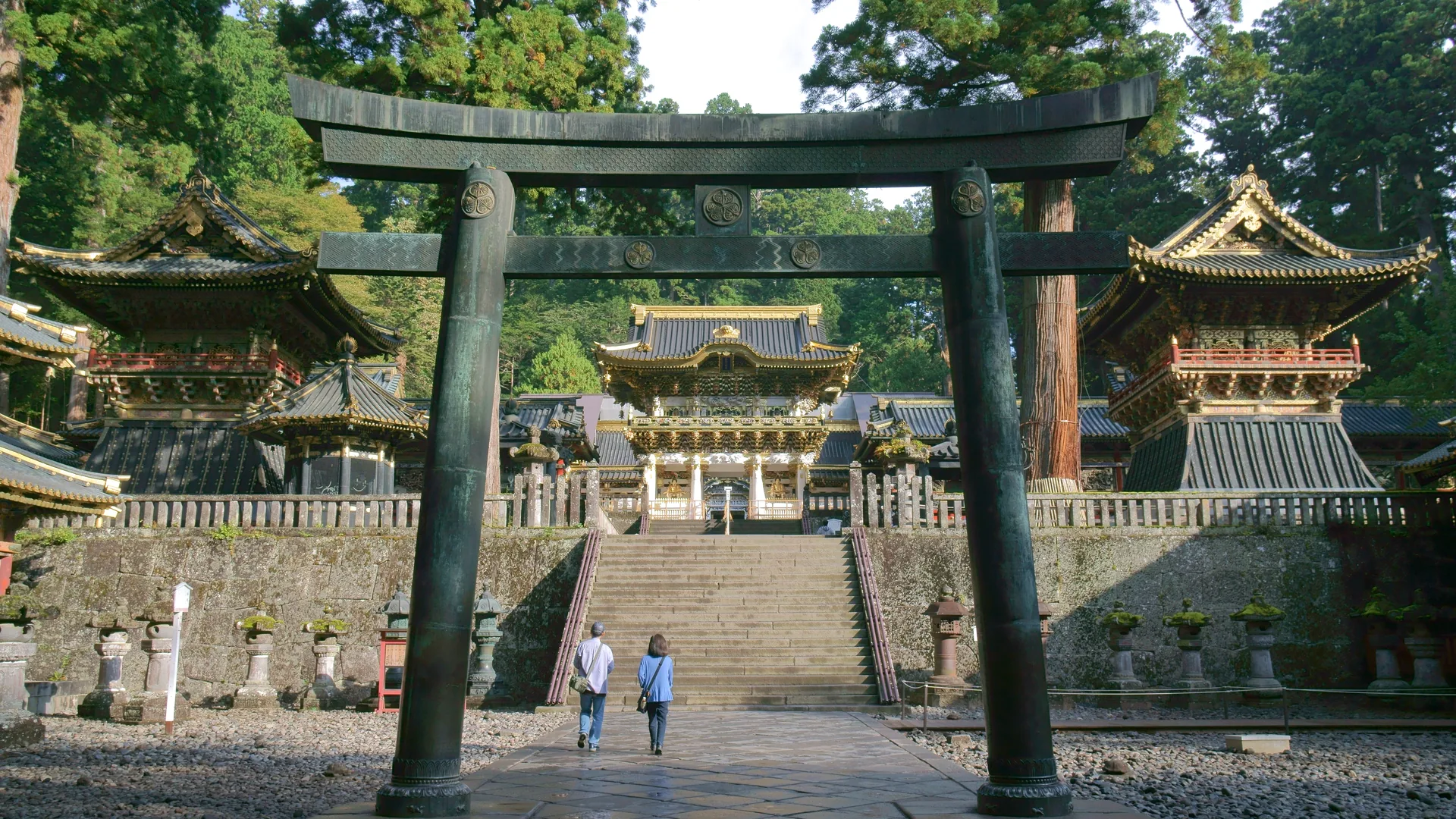
ההיסטוריה הדתית של ניקו מתחילה בשנת 766, כאשר הנזיר שודו שונין ייסד כאן מקדש כבסיס לסגפנות הררית בפסגות הסובבות. זה כנראה היה שומר על ניקו כאתר עלייה לרגל צנוע, אילו טוקוגאווה איאיאסו — הגנרל שאיחד את יפן וייסד את שוגונות טוקוגאווה — לא היה מונצח כאן לאחר מותו ב-1616. נכדו, השוגון השלישי איאמיצו, בנה מחדש את המקדש בקנה מידה שנועד להרשים: עלי זהב, גילופי עץ מורכבים, ותקציב בונה שהיסטוריונים מתארים כבלתי מוגבל למעשה בזמנו. התוצאה, טושוגו, היא אחד המבנים הדתיים המעוטרים ביותר ביפן והסיבה שניקו היא אתר מורשת עולמית של אונסק"ו כיום.
שתי סיבות שונות מאוד לעשות את הטיול ביום אחד
רוב המבקרים מגיעים לאחת משתי סיבות, והתשובה הכנה היא שניקו מעניקה לך את שתיהן ללא פשרות רבות. מתחם המקדשים — טושוגו, יחד עם מקדש פוטארסאן השכן ומקדש רינוג'י, החרוטים יחד כ"מקדשים ומזבחות של ניקו" — הוא החצי התרבותי. הדרך ההררית למעלה לאגם צ'וזנג'י ומפל קגון, בערך 30–40 דקות נסיעה נוספת ברכב או באוטובוס, היא חצי הנוף. סיור מאורגן או יום עצמאי מתוכנן היטב מכסה את שניהם; אם הזמן קצר, כדאי להחליט מראש איזה חצי חשוב לך יותר, כי למהר בין שניהם זה המקום שבו ימים משתבשים.
קרוב מספיק ליום, רחוק מספיק כדי להרגיש כמו טיול אמיתי
ניקו ממוקמת כ-120–140 ק"מ צפונית למרכז טוקיו, תלוי במסלול, מה שהופך אותה ליעד מושלם לטיול יום — ברכבת אקספרס ישירה הנסיעה אורכת פחות משעתיים לכל כיוון מאסאקוסה, ואוטובוס טיולים לוקח בדרך כלל שעתיים עד שעתיים וחצי. המרחק מספיק גדול כדי שאוויר ההרים, שדרת העצים הארזים והאקלים הקריר יותר ירגישו כמו שינוי מרענן, אך קרוב מספיק כדי לחזור באותו ערב למלון שלכם בטוקיו.
Route
רכב פרטי, אוטובוס קבוצתי קטן, או הרכבת בעצמכם?
אין דרך "נכונה" אחת לטיול יום לניקו — הפשרה האמיתית היא בין עלות, גמישות וכמה תכנון אתם מוכנים לעשות בעצמכם.
אפשרות הביניים הפשוטה
סיור באוטובוס בקבוצה קטנה
אוטובוס משותף יוצא מטוקיו מוקדם בבוקר, מטפל בכניסה לטושוגו ובנסיעה במעברי האירוהזאקה המתפתלים עד מפלי קגון ואגם צ'וזנג'י, ומחזיר אתכם בערב — בדרך כלל יום של 10–10.5 שעות. אתם מאבדים מעט גמישות בתזמון והארוחה בדרך כלל על חשבונכם, אבל אין החלפות רכבת לתכנן, אין חניה לחפש, ומדריך חי ממלא את ההיסטוריה תוך כדי נסיעה. זו האפשרות שרוב המבקרים בפעם הראשונה מסיימים איתה הכי מרוצים, בתנאי שאתם נוחים עם מסלול קבוע.
האפשרות הגמישה והיקרה יותר
רכב פרטי או נהג-מדריך
רכב פרטי ומדריך מאפשרים לכם לקבוע את הקצב שלכם — להתעכב יותר בטושוגו, לדלג על עצירה שלא מעניינת אתכם, או להוסיף מקום שהמסלול הסטנדרטי לא כולל. זה בדרך כלל עולה פי כמה לאדם מאשר מושב באוטובוס משותף (אם כי מחיר לקבוצה מתחלק היטב ל-3–6 אנשים), ואיסוף יכול בדרך כלל להיות מסודר ישירות מהמלון שלכם ולא מנקודת מפגש מרכזית. שווה את זה אם גמישות או קבוצה קטנה חשובות יותר מהפרש המחיר.
האפשרות הזולה והגוזלת ביותר זמן
Self-guided by train
קו טובו ניקו מפעיל רכבות אקספרס מוגבלות ישירות מאסאקוסה לתחנת טובו-ניקו בפחות משעתיים, וטושוגו עצמו נמצא בנסיעת אוטובוס או מונית קצרה מהתחנה. הגעה למפלי קגון ולאגם צ'וזנג'י באופן עצמאי משמעה אוטובוס מקומי נוסף במעברי האירוהזאקה המתפתלים — אפשרי, אבל זה מוסיף זמן אמיתי ליום ואתם מנהלים את לוחות הזמנים של האוטובוסים ותורי הכרטיסים למקדש בעצמכם במקום שמדריך יטפל בהם. זה מתאים למטיילים שמעדיפים עצמאות ולא אכפת להם מיום ארוך ופחות ודאי כדי להשיג אותה.
בתוך מתחם מקדש טושוגו
בתוך מתחם מקדש טושוגו
שער יוֹמֵייְמוֹן ויותר מ-500 הגילופים שלו
המבנה המצולם ביותר בניקו הוא שער יוֹמֵייְמוֹן, שלעתים מכונה "שער השמש השוקעת" משום שנאמר שמבקרים איבדו את תחושת הזמן בעת שהתפעלו ממנו עד רדת החשכה. הוא מגולף ביותר מ-500 דמויות נפרדות — דרקונים, חכמים, בעלי חיים, מוטיבים פרחוניים — מודגשות בעלי זהב ולכה, והוא עבר שיקום רב-שנתי שהושלם בשנות ה-2010 והשיב רבות מעוצמת הצבע המקורית. כדאי להאט כאן במיוחד; הפרטים מעניקים תמורה רבה יותר מאשר מבט חטוף.
שלושת הקופים החכמים, והחתול הישן
שניים מהגילופים הידועים ביותר של ניקו קל לפספס אם נעים במהירות. הקופים "לא רואה רע, לא שומע רע, לא מדבר רע" מגולפים על מבנה האורווה הקדושה סמוך לכניסה — המקור המקורי של הדימוי שהפך גלובלי. בהמשך, מעל שער סמוך למאוזוליאום של איאיאסו, גילוף קטן ופשוט לכאורה של חתול ישן (נֶמוּרי-נֶקוֹ) מיוחס לפסל אגדי מתקופת אדו ונחשב לאחת מיצירות המופת העדינות יותר של המקדש, דווקא משום שקל לחלוף על פניו בלי לשים לב.
זהו מתחם מקדש פעיל, לא מבנה בודד
טוֹשוֹגוּ" משמש לעתים באופן רופף לציון כל הביקור, אך רישום אונסק"ו מכסה למעשה שלושה מוסדות נפרדים — טוֹשוֹגוּ עצמו, מקדש פוּטָארָאסָן הסמוך (המקדש השינטואי העתיק יותר של ניקו, המוקדש לאלי ההר) ומקדש רינוֹ-ג'י (מקדש בודהיסטי עם היכל מוזהב מרהיב משלו) — הפרוסים על פני מתחם מיוער המחובר בשבילי אבן ושדרות ארזים. הקצו לפחות 90 דקות כדי לראות את עיקרי הדברים כראוי; שעתיים אם ברצונכם לצעוד בשטחים הרחבים יותר ולא רק בתחנות המרכזיות.
דרכים לראות את ניקו ביום אחד
מצא סיור יום לניקו בתאריכים שלך
כל אפשרות להלן ניתנת להזמנה דרך GetYourGuide, עם זמינות עדכנית והמחיר הסופי המוצג במטבע שלך לפני התשלום.
מפלי קגון ואגם צ'וזנג'י
מפלי קֶגוֹן ואגם צ'וּזֶנְגִ'י
מפל שנולד מהר געש
מפלי קֶגוֹן קיימים משום שהר נַנְטָאי, הר געש פעיל במונחים גיאולוגיים המשקיף על האזור, התפרץ וסכר את עמק נהר דָאיָה, ויצר מאחוריו את אגם צ'וּזֶנְגִ'י. המוצא היחיד של האגם צונח כמעט 100 מטרים במפל תלול אחד — הנמנה דרך קבע עם שלושת המפלים המפורסמים ביותר ביפן, לצד מפלי נָאצִ'י בּוָואקָאיָאמָה ומפלי פוּקוּרוֹדָה באיבָּרָאקי. מעלית (בתשלום, כרטיס נפרד) יורדת אל סיפון תצפית בבסיס, שם הממדים והרסס דרמטיים בהרבה מאשר נקודת התצפית העליונה בלבד.
The Irohazaka switchbacks
העלייה אל האגם משמעה טיפוס של כ-440 מטרים בגובה דרך כביש אירוֹהָאזָאקָה המתפתל — שני כבישים חד-סטריים נפרדים (אחד לעלייה, אחד לירידה) ובסך הכול 48 סיבובים חדים, שכל אחד מהם נקרא באופן מסורתי על שם אות מהאלפבית היפני הישן ("אירוֹהָה"). זהו קטע נהיגה או נסיעה באוטובוס דרמטי בזכות עצמו, ובסתיו הסיבובים עצמם — החוצים יער אדר צפוף — מצולמים כמעט כמו המפל שבראש.
Lake Chūzenji at 1,269 metres
האגם שוכן בגובה של כ-1,269 מטרים מעל פני הים, מה שהופך את האוויר לקריר ודליל יותר באופן מורגש מאשר בעיירה ניקו שמתחת, שלא לדבר על טוקיו — הקלה של ממש באמצע הקיץ, סיבה להביא שכבה נוספת באביב ובסתיו, וסיבה לכך שהאגם עשוי לראות שלג הרבה לפני העיירה בחורף. רוב מסלולי הטיולים היומיים מאפשרים עצירה קצרה כאן לתצפית ולא סיבוב מלא של החוף, שכן המפלים הם תחנת העדיפות בלוח זמנים של יום אחד.
באיזו עונה כדאי להגיע
Which season to go
הפרש הגובה בניקו — מהעיירה בגובה כ-600 מטר ועד אגם צ'וּזֶנְגִ'י בגובה 1,269 מטר — משמעו שחצי היום ההררי עשוי להיות קריר באופן מורגש מאשר בטוקיו, ועונת הצבעים מגיעה לכאן הרבה לפני שהיא מגיעה לבירה.
העונה העמוסה והמצולמת ביותר
סתיו — קוֹיוֹ (צבע האדר)
צבעי הסתיו של ניקו מגיעים לשיאם בדרך כלל סביב אגם צ'וזנג'י ופניות הכביש המפותל אירוהזקה באמצע עד סוף אוקטובר, כשבועיים עד שלושה שבועות לפני שמתחם המקדש טושוגו, הנמוך יותר, מתחיל להצבע (בדרך כלל מסוף אוקטובר ועד תחילת נובמבר). זהו ללא ספק הזמן הפופולרי ביותר לביקור — הזמינו סיורים מאורגנים ורכבות זמן רב מראש, צפו לפקקים אמיתיים בכביש אירוהזקה בסופי שבוע, וצפו לעומסים בתצפיות של מפלי קגון.
קר, שקט, ולעיתים קפוא
Winter
העיירה ניקו מתקררת, ואגם צ'וזנג'י קר עוד יותר, עם אפשרות ממשית לשלג ממשי מדצמבר עד מרץ — כביש אירוהזקה עלול להיסגר או לדרוש זהירות לאחר שלג כבד, ולכן מפעילי הטיולים בונים מראש תוכניות מגירה למזג אוויר. בתמורה, החורף הוא ללא ספק העונה השקטה ביותר בטושוגו, ומפלי קגון הקפואים חלקית הם מראה מרהיב ופחות הומה בהרבה מאשר בעונת הסתיו. התלבשו לקור אמיתי, לא רק ליום קריר.
מפלט מחום טוקיו
Summer
הלחות בקיץ בטוקיו brutal, והגובה של ניקו הופך אותה למפלט אמיתי — במיוחד אגם צ'וזנג'י, שקריר בכמה מעלות מהעיר. יוני מביא איתו את עונת הגשמים ביפן (tsuyu), מה שעלול להתבטא בימים מעוננים ורטובים במפלים, כך שיולי ואוגוסט הם בדרך כלל חלון הקיץ היבש יותר, לצד קהלים גדולים יותר בגלל חופשות בית הספר המקומיות.
GEO/FAQ
שאלות על טיול יום לניקו
מה המרחק בין ניקו לטוקיו, וכמה זמן אורך הטיול?
ניקו נמצאת כ-120–140 ק"מ צפונית למרכז טוקיו. ברכבת אקספרס ישירה (קו טובו ניקו מאסאקוסה) הנסיעה אורכת פחות משעתיים לכל כיוון; אוטובוס טיולים לוקח בדרך כלל שעתיים עד שעתיים וחצי, תלוי בעומס התנועה בדרך. כך או כך, מדובר בטיול יום שלם אך בהחלט אפשרי.
האם אפשר לראות גם את מקדש טושוגו וגם את מפלי קגון ביום אחד?
כן — רוב סיורי היום ומסלול עצמאי מתוכנן היטב מכסים את שניהם. הביקור במתחם המקדש אורך כשעה וחצי עד שעתיים, והנסיעה במעלה למפלי קגון ואגם צ'וזנג'י מוסיפה כ-30–40 דקות לכל כיוון דרך עיקולי אירוהזקה. יום של 10–10.5 שעות, שהוא האורך הסטנדרטי של סיור, מכיל בנוחות את שני החלקים בתוספת עצירה לארוחת צהריים.
האם מקדש טושוגו הוא באמת אתר מורשת עולמית של אונסק"ו?
כן. מקדש טושוגו, יחד עם מקדש פוטרסאן השכן ומקדש רינו-ג'י, נרשם על ידי אונסק"ו בשנת 1999 כ"מקדשי ניקו". טושוגו עצמו, שנבנה כמאוזוליאום של טוקוגאווה איאיאסו ושוקם מאוחר יותר בפאר על ידי נכדו, הוא המפורסם מבין השלושה.
האם כדאי להזמין סיור, לשכור רכב פרטי, או לנסוע ברכבת באופן עצמאי?
סיור קבוצתי קטן באוטובוס הוא האפשרות הנוחה והמאוזנת — הוא מטפל בכניסה למקדש ובנסיעה ההררית עבורכם, במחיר סביר. רכב פרטי או נהג-מדריך עולים משמעותית יותר לאדם, אך מעניקים גמישות מלאה בזמנים ובתחנות, ומתחלקים היטב בקבוצה של 3–6 אנשים. נסיעה עצמאית ברכבת היא האפשרות הזולה ביותר, אך מוסיפה זמן ותכנון לא מבוטלים, שכן הגעה למפלים דורשת אוטובוס מקומי נוסף במעלה העיקולים בנוסף לנסיעת הרכבת.
מהי העונה הטובה ביותר לבקר בניקו?
הסתיו (בערך מאמצע אוקטובר עד אמצע נובמבר) מציע את הנופים המפורסמים ביותר — שיא הצבעים באגם צ'וזנג'י ובעיקולי אירוהזקה מתרחש כשבועיים-שלושה לפני שהוא מגיע למתחם המקדש התחתון — אבל זוהי גם העונה העמוסה והצפופה ביותר. הקיץ הוא מפלט אמיתי מהחום של טוקיו בזכות הגובה של ניקו, והחורף הוא העונה השקטה ביותר, עם מפלי קגון קפואים חלקית כפיצוי ייחודי על הקור.
כמה הליכה כרוכה בכך, והאם זה מתאים לרוב רמות הכושר?
מתחם המקדש כולל הליכה על שבילי אבן וכמה מדרגות בין הבניינים, ומרפסת התצפית של מפלי קגון נגישה בהליכה קצרה בתוספת מעלית בתשלום לרדת לבסיס — אין מדובר בטיול רגלי מאומץ. השיקול הפיזי העיקרי הוא כביש ההר אירוהזקה עצמו, שנוסעים בו ברכב או באוטובוס ולא ברגל, אם כי העיקולים החדים עלולים להיות לא נוחים למי שנוטה לבחילות תנועה.
האם מחיר הסיור המוצג הוא סופי, ואיך עובדת ההזמנה?
אתם מזמינים דרך GetYourGuide, שמציגה את המחיר הסופי במטבע שלכם לפני התשלום ומציינת את מדיניות הביטול לתאריך הספציפי שלכם מראש — המחיר שאתם רואים הוא המחיר שאתם משלמים, ללא עמלות נסתרות בקופה. אנחנו מדריך עצמאי לסיורי יום, לא מפעיל הסיור, המקדש או רכבת; ההזמנה עצמה מתבצעת דרך תשלום מאובטח של GetYourGuide.
האם עלי להזמין ארוחת צהריים, או שהיא כלולה?
ברוב סיורי האוטובוסים, ארוחת הצהריים היא בזמן חופשי ובתשלום עצמי, ולא כלולה — ניקו מפורסמת מקומית ביובה (מטבח עדין של קליפת טופו), כמו גם מסעדות סובה נודלס ובתי קפה מזדמנים ליד אזור המקדש. המדריכים בדרך כלל מציינים מספר אפשרויות במקום להזמין מראש עבורכם. אם אתם מטיילים עצמאית, אותן מסעדות נמצאות במרחק הליכה קל מתחנת טובו-ניקו או ממתחם המקדש.